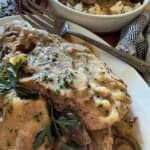


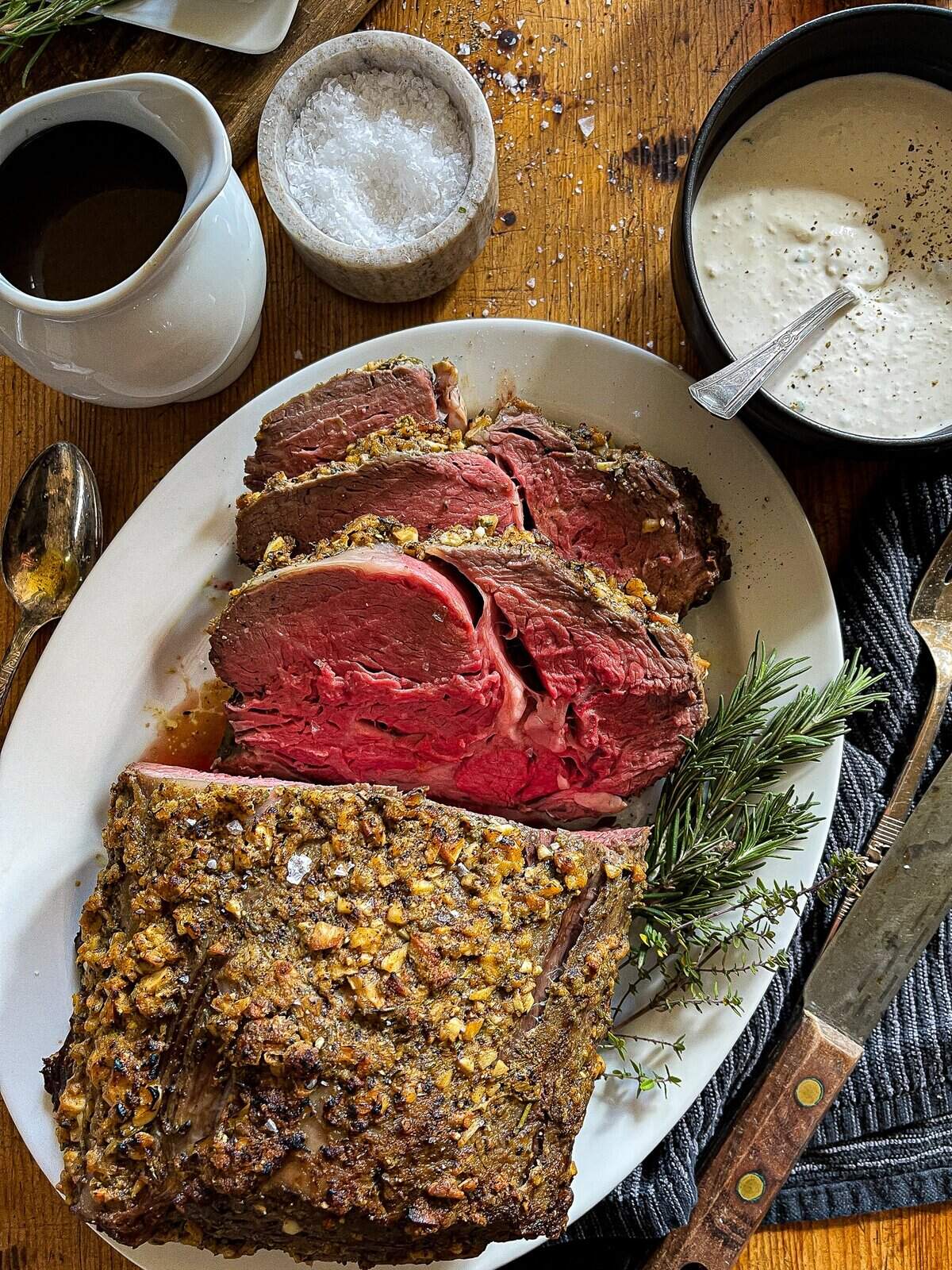
This roasted prime rib starts with a high-heat roast at 500°F, then finishes low and slow at 325°F for a tender, juicy center and flavorful garlic herb crust. Use a meat thermometer and pull the roast before your target temperature for perfect prime rib every time.
Let's get started!
Jump to:
- Pull Up A Chair & Let's Chat!
- What You'll Need & Why
- The Recipe Rundown
- Prime Rib Temperature Guide
- Bone-In vs Boneless Prime Rib
- How Much Prime Rib Per Person
- Tips For The Best Roasted Prime Rib
- Roasted Prime Rib Recipe
- Best Sides For Prime Rib
- Storage & Reheating
- Leftover Prime Rib Ideas
- You Asked, I Answered
- Who’s Stirring the Pot?

Pull Up A Chair & Let's Chat!
Roasted prime rib might look intimidating, but it’s actually one of the easiest ways to make an incredibly impressive beef dinner at home. This recipe uses a simple high-heat roast followed by a lower oven temperature to create a flavorful garlic herb crust and a tender, juicy center every time.
And, with a quick au jus and creamy horseradish sauce on the side, it tastes every bit as special as something you’d order at a steakhouse.
Why You'll Love This Roasted Prime Rib
- High-heat start: Roasting the prime rib at 500°F creates a beautifully browned garlic herb crust.
- Lower oven finish: Finishing the roast at 325°F helps the center stay tender, juicy, and evenly cooked.
- Thermometer-first cooking: Using internal temperature instead of guessing keeps this recipe simple and reliable.
- Classic steakhouse flavor: The au jus and creamy horseradish sauce bring everything together without overcomplicating the recipe.

What You'll Need & Why
Horseradish Sauce
- Sour cream, prepared horseradish, and heavy cream: Create a cool, creamy sauce with that classic sharp horseradish bite that pairs perfectly with rich prime rib.
- White wine vinegar and fresh chives: Brighten the sauce and add fresh flavor.
Roasted Prime Rib
- Prime rib roast: Rich, well-marbled beef that roasts up tender and juicy. Bone-in or boneless both work well.
- Butter, garlic, Dijon mustard, rosemary, and thyme: Create a flavorful garlic herb crust with classic steakhouse flavor.
- Kosher salt and black pepper: Essential for properly seasoning the roast and highlighting the beef.
Au Jus
- Beef broth, pan drippings, dry red wine, and Worcestershire sauce: Simmer together into a rich, savory au jus that’s perfect for serving alongside the roast.
The Recipe Rundown
This roasted prime rib recipe comes together with a simple high-heat roasting method and just a few easy steps.
- Remove the prime rib from the refrigerator and let it rest at room temperature for about 1 hour.
- Mix the softened butter with the Dijon mustard, garlic, rosemary, thyme, salt, and black pepper.
- Rub the butter mixture all over the roast, covering the top, sides, and bottom.
- Roast at 500°F for 15 minutes, then reduce the oven temperature to 325°F.
- Cook until the roast reaches your preferred internal temperature, pulling it from the oven about 10–15 degrees before your final target temperature. Tent lightly with foil and rest for 30 minutes before slicing.
Prime Rib Temperature Guide
Using a meat thermometer is the easiest way to guarantee perfectly cooked roasted prime rib every time.
- Rare: Pull at 115°F for a final temperature around 125°F.
- Medium rare: Pull at 125°F for a final temperature around 135°F.
- Medium: Pull at 135°F for a final temperature around 145°F.
- Medium well: Pull at 145°F, though I honestly don’t recommend cooking prime rib past medium.
Prime rib will continue cooking after it comes out of the oven, so plan for about 5–10 degrees of carryover cooking while it rests.
As a general guide, plan on about 10–15 minutes per pound at 325°F after the initial 500°F roast, but always cook to temperature instead of relying only on time.
Bone-In vs Boneless Prime Rib
Both bone-in and boneless prime rib work beautifully for this roasted prime rib recipe, so it really comes down to personal preference.
- Bone-in prime rib: Typically has a bit more flavor and creates a natural roasting rack for the meat.
- Boneless prime rib: Easier to carve and slightly simpler to handle.
If you buy a bone-in roast, ask the butcher to remove the bones and tie them back onto the roast. You’ll still get the flavor and roasting benefits, but carving becomes much easier after cooking.
For a boneless roast, place the meat on a rack inside the roasting pan so the heat can circulate evenly.

How Much Prime Rib Per Person
As a general rule, plan on about 1 pound of prime rib per person. That may sound like a lot, but remember you’ll also be serving side dishes — and the leftovers are hard to beat.
Here’s a simple guideline:
- 6 people: About 4½ pounds
- 8 people: About 6 pounds
- 12 people: About 9 pounds
Top tip: If you’re deciding between two sizes, go bigger. Leftover prime rib is never a bad thing.
Tips For The Best Roasted Prime Rib
These simple tips will help you get tender, juicy roasted prime rib every time.
- Bring the roast to room temperature: Let the prime rib sit out for about 1 hour before roasting for more even cooking.
- Use a meat thermometer: Prime rib is too expensive to guess on. A good thermometer takes the stress out of cooking.
- Account for carryover cooking: The roast will continue cooking after it comes out of the oven, so pull it about 10 degrees before your final target temperature.
- Bone-in vs boneless: Bone-in roasts can go directly into the roasting pan with the bones acting as a natural rack. Boneless roasts should be placed on a rack inside the pan.
- Fresh vs dried herbs: Dried rosemary and thyme work well here, but use a little less since dried herbs are more concentrated.
- Rest before slicing: Let the roasted prime rib rest for at least 30 minutes so the juices can redistribute throughout the meat.
- Slice against the grain: Cutting across the grain helps keep the meat tender.

Roasted Prime Rib Recipe
Equipment
- roasting pan with rack
- meat thermometer
Ingredients
Horseradish Sauce
- ½ cup sour cream
- 2-3 tablespoon prepared horseradish
- 1 tablespoon white wine vinegar
- 2 tablespoon heavy cream
- 2 tablespoon fresh chives
- kosher salt and fresh ground pepper, to taste
Prime Rib
- 6 lbs prime rib roast
- 4 tablespoon butter, softened
- 5-6 cloves garlic, minced
- 2 tablespoon dijon mustard
- 1 tablespoon kosher salt
- 2 teaspoon fresh ground pepper
- 1-2 teaspoon fresh rosemary, minced
- 1 teaspoon fresh thyme, minced
Au Jus
- 3 cups beef broth
- ⅓ cup dry red wine you can add a little more if you like a more pronounced wine flavor
- 2-4 tablespoon pan drippings
- 1 tablespoon Worcestershire sauce
- kosher salt and fresh ground pepper, to taste
Instructions
The Horseradish Cream Sauce
- Mix the sour cream, horseradish, white wine vinegar, heavy cream, and fresh chives together in a bowl. Add kosher salt and fresh ground pepper to taste. Store in the fridge until ready to serve.
The Prime Rib
- Take the beef out of the fridge and let it rest at room temperature on the counter top for at least an hour.
- Mix the softened butter together with the dijon, salt, pepper, rosemary, and thyme.
- Spread the butter mixture all over the roast. Top, bottom, sides - all over.
- Roast the prime rib in a preheated 500° oven for 15 minutes. After the 15 minutes, lower the temperature to 325°.
- Cook until you reach your desired doneness. There will be between 10-15 degrees of carry-over cooking after the roast comes out of the oven. Pull your rib roast when there is 10-15 degrees more to go and tent it lightly with aluminum foil.
The Au Jus
- After removing the roast to rest, simmer beef broth and dry red wine along with the pan drippings until this mixture has reduced by half. Finish with the Worcestershire sauce. Add kosher salt and fresh ground pepper if desired.
Finishing and Serving
- After the roast has rested for at least 30 minutes, slice against the grain. Serve with the horseradish sauce and au jus. Enjoy!
Notes
Nutrition
Best Sides For Prime Rib
A roasted prime rib deserves side dishes that feel just as special. From crisp salads to creamy potatoes and simple roasted vegetables, these are some of my favorite recipes to serve alongside prime rib.
Salads
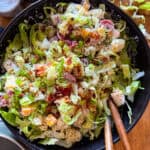
- Wedge Salad: A classic steakhouse-style salad with creamy blue cheese dressing that pairs perfectly with rich roasted prime rib.
- Simple Green Salad: Light, fresh, and tossed with a simple vinaigrette to balance the richness of the beef.
- Buttermilk Ranch Dressing: If ranch is your thing, this homemade version is hard to beat with a crisp salad and prime rib dinner.
Side Dishes
- Crispy Roasted Potatoes: Roasted in duck fat for incredibly crispy edges and fluffy centers.
- Roasted Green Beans: Quick, easy, and always a great vegetable side for prime rib.
- Oven-Roasted Asparagus: Simple, flavorful, and perfect alongside beef.
- Creamy Garlic Mashed Potatoes: Rich, creamy mashed potatoes that feel right at home next to a holiday roast.
- Mashed Cauliflower: A lighter option that still brings plenty of creamy comfort to the table.
Storage & Reheating
- If you have leftover roasted prime rib: store it in an airtight container in the refrigerator for up to 3 days.
- For longer storage: wrap the beef tightly in plastic wrap followed by foil and freeze for up to 3 months.
- To reheat: Warm the prime rib slowly in a skillet with a little butter over low heat until heated through. Avoid the microwave if possible so the meat stays tender.
Leftover Prime Rib Ideas
Leftover roasted prime rib might honestly be one of the best parts.
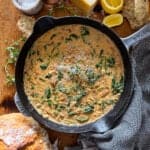
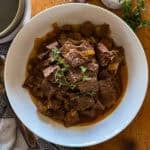
- Prime Rib Soup - Rich, creamy, and one of our favorite ways to use leftover prime rib.
- Steak Sandwiches - Layer the beef onto toasted bread with horseradish sauce for an incredible sandwich situation.
You Asked, I Answered
Do you cook prime rib covered or uncovered?
Roasted prime rib should be cooked uncovered so the outside develops a flavorful browned crust.
How long should prime rib rest before slicing?
Let the roast rest for at least 30 minutes before slicing so the juices can redistribute throughout the meat.
Can I make roasted prime rib ahead of time?
Prime rib is best served fresh, but the horseradish sauce and au jus can both be made ahead of time.
Can I use dried herbs instead of fresh?
Yes. Dried rosemary and thyme work well here — just use a smaller amount since dried herbs are more concentrated.
Who’s Stirring the Pot?
Hi, I’m Ruth—the recipe developer and comfort-food enthusiast behind Rufus For Real. I believe dinner should be the best part of your day, not the most stressful one. That’s why I focus on "no-drama" meals that are simple, satisfying, and impossible to mess up in a real-life kitchen.
I want to hear from you! How did you like my Roasted Prime Rib?! Let me know in the comments below—I read every single one!
You’ll find me sharing even more comfort-food goodness, kitchen tips, and behind-the-scenes chaos over on Instagram, Pinterest, Facebook, TikTok, and YouTube (@rufusforreal everywhere).
If you love approachable recipes with a whole lot of personality, pull up a chair—there’s always room at this table.
Happy Cooking!
-Ruth aka Rufus

Joey Lopez says
This was incredible! Will be doing it again for Christmas.
Rufus says
Thank you so very much! I'm so happy you loved it!
Jo Riddel says
Absolute perfection!
Kelley Sampson says
I had a “go to” recipe for prime rib I used for years. But it tied up my oven all day and made it hard to get everything done. I tried this one for the time this year and will ne er go back! The flavor was superior to any recipe for the seasoning I’ve used, the meat was perfection and it was easy to get my sides done while the meat rested. The au jus was so yummy! I’m sharing this with 2 friends who always say they’re afraid to spend the money in fear of ruining their roast. This recipe is hands down the BEST!
Rufus says
Thank you so very much, Kelley! This has made my day! So very glad you guys loved it!