




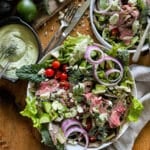


A Korean beef and rice bowl is a better-than-takeout dinner made with tender steak, fluffy rice, crisp broccoli, and quick-pickled vegetables, all finished with bold savory sauce and optional fried egg on top. Big flavor, balanced texture, and absolutely worth the extra few minutes.
Let's get started!
Jump to:

Pull Up A Chair & Let's Chat!
These Korean Beef and Rice Bowls are the kind of dinner that feels a little special without requiring much effort. Tender beef, crisp-tender broccoli, fluffy rice, and quick-pickled vegetables come together in a savory-sweet bowl that's packed with flavor and perfect for busy weeknights.
Finish everything with a drizzle of sriracha mayo and your favorite toppings for a meal that's fresh, satisfying, and better than takeout.
Why You'll Love These Korean Beef & Rice Bowls
- Tender beef cooks fast: Thinly sliced steak sears quickly and delivers big flavor without a long marinade.
- Rice makes it a complete meal: Fluffy rice soaks up every bit of the savory-sweet sauce.
- Quick-pickled vegetables add balance: Crunchy, tangy vegetables keep the bowls fresh and flavorful.
- Broccoli adds texture and color: A simple way to add vegetables without extra fuss.
- Easy to customize: Top with a fried egg, extra sriracha, sesame seeds, or your favorite garnishes. It's a fantastic option for the kids, too! Mine love this one!
- Better than takeout: Big flavor, layered textures, and dinner on the table in about 30 minutes.

What You'll Need & Why
This bowl has a few moving parts, but each one pulls its weight and the whole thing comes together fast once you start assembling.
- Quick pickled vegetables: Daikon radish, carrot, and red onion bring crunch, brightness, and the sharp contrast that keeps the rich beef balanced. Rice vinegar and water create a clean, quick pickle, with optional peppercorns, garlic, or cilantro if you want extra flavor.
- Sriracha mayo: Mayonnaise gives the drizzle body, while sriracha adds gentle heat and a little sweetness. Adjust the heat however you like.
- Beef + broccoli: Thin-sliced flank or skirt steak cooks quickly and stays flavorful, while broccoli soaks up the sauce right alongside it.
- Sauce builders: Tamari, rice vinegar, fish sauce, fresh ginger, garlic, and green onions create that savory-sweet balance that makes Korean beef bowls so satisfying.
- Rice + finishing touches: Long-grain white rice gives you the fluffy base every good bowl needs, and a fried egg on top adds richness if you want the full experience.
The Recipe Rundown
- Mix the sriracha mayo: Stir together the mayonnaise and sriracha, then refrigerate until you're ready to serve.
- Whisk the sauce: Combine the tamari, fish sauce, rice vinegar, sesame oil, garlic, ginger, green onions, and remaining sauce ingredients.
- Cook the broccoli: Sauté until bright green and just tender, then set aside.
- Brown the beef: Sear the beef in batches to develop plenty of color and flavor.
- Bring it all together: Return the broccoli to the skillet, pour in the sauce, and cook until everything is coated and the sauce thickens slightly.
- Build your bowls: Start with rice, then pile on the beef and broccoli, pickled vegetables, and your favorite toppings.
No-Fail Rice for Korean Beef Bowls
If rice usually feels fussy, this simple stovetop method keeps it easy and dependable every time:
- Rinse first: Add rice to a pot and rinse until the water runs mostly clear, pouring off the cloudy water between rinses.
- Use the fingertip method: Level the rice, rest your fingertip lightly on top, and add fresh water until it reaches your first knuckle.
- Cook covered: Bring to a boil, reduce to a gentle simmer, cover, and cook for 20 minutes without lifting the lid.
- Rest + fluff: Remove from heat, let it sit briefly, then fluff with a fork before building your bowls.

Swaps & Variations
These Korean beef and rice bowls are easy to adapt depending on what protein, vegetables, or rice you have on hand.
- Ground beef shortcut: Thin-sliced steak gives great texture, but ground beef works beautifully for a faster, budget-friendly version with the same sweet-savory flavor.
- Protein swaps: Chicken thighs, pork tenderloin, shrimp, or extra-firm tofu all work well here. If using tofu, sear it first so it holds up to the sauce.
- Tender steak option: Ribeye or sirloin sliced thin against the grain gives an especially tender bite. A short marinade in the sauce helps even more.
- Vegetable swaps: Broccoli is a natural fit, but mushrooms, bell peppers, snap peas, or shredded carrots also soak up the sauce well.
- Rice alternatives: Jasmine rice, brown rice, cauliflower rice, or rice noodles all work depending on how hearty you want the bowl.
Tips For The Best Korean Beef & Rice Bowls
A few simple moves make these Korean beef and rice bowls come together smoothly and keep the steak tender.
- Slice against the grain: Thin slices cut against the grain stay tender and cook quickly.
- Start with room-temperature beef: Let the steak sit out briefly so it sears instead of steaming.
- Use high heat: A hot skillet gives the beef color fast without overcooking it.
- Don’t overcrowd the pan: Cook in batches if needed so the beef browns instead of releasing too much moisture.
- Keep vegetables crisp: Cook broccoli just until tender so it still holds texture in the bowl.
- Meal prep separately: Store the beef, rice, and vegetables in separate containers so everything reheats cleanly.
- Keep the pickled vegetables: They add the crunch and acidity that make these Korean Beef and Rice Bowls so good. I keep a jar in the fridge because they make just about everything better.


Korean Beef and Rice Bowls Recipe
Ingredients
Quick Pickles
- ½ cup daikon radish, cut into thin strips
- ½ cup carrot, cut into thin strips
- ½ cup red onion, cut into thin strips
- optional, black peppercorns, garlic cloves, cilantro leaves
- rice vinegar Exact amount can vary depending on your jar size.
- water
Sriracha Mayo
- ½ cup mayonnaise
- 2 tbsp sriracha, add more per your taste
Beef and Broccoli and Sauce
- 1 head broccoli, cut into bite size pieces
- avocado oil
- 2 lbs flank steak or skirt steak, thinly sliced against the grain
- ¼ cup tamari sauce
- ¼ cup rice vinegar
- 2 tablespoon fish sauce
- 2 tablespoon water
- 1 tbsp ginger, minced
- 4-5 cloves garlic, minced
- 2 green onions, cut into quarters
Bowls and Assembly
- 2-3 cups cooked long-grain white rice
- fried eggs, optional
Instructions
Pickled Veggies
- Add sliced daikon, carrot, and onion to a jar. Add optional flavorings, then cover with equal parts vinegar and water. Refrigerate until ready to use.
Sriracha Mayo
- Mix the sriracha and mayonnaise until smooth. Refrigerate until ready to use.
Broccoli and Beef
- Whisk together the tamari, fish sauce, rice vinegar, water, sesame oil, garlic, ginger, and green onions. Set aside.
- Heat a large skillet over medium-high heat with a little avocado oil. Sauté the broccoli for 3–4 minutes until bright and just tender. Remove from the skillet and set aside.
- Add a bit more oil to the hot skillet. Sear the beef in batches until browned, focusing on color rather than cooking it through.
- Return all of the beef and broccoli to the skillet. Pour in the sauce and toss to coat.
- Cook for 5–6 minutes, until the sauce thickens slightly and everything is cooked through.
Beef Bowl Assembly
- Start with a base of rice, then layer on the beef and broccoli, pickled veggies, and your favorite garnishes. Finish with a drizzle of sriracha mayo and enjoy.
Nutrition
Make It A Meal
These Korean beef and rice bowls already cover dinner beautifully, but if you want the full spread, a few easy sides make it feel like takeout at home.
- Start with soup: Egg drop soup keeps the meal simple, warm, and fast without competing with the bowl.
- Add something crispy: Air fryer potstickers bring that salty-crispy side everyone reaches for first.
- Keep it fresh: Kani salad adds cool crunch and balances the savory beef.
- Bring in vegetables: Roasted bok choy fits naturally with the flavors and keeps the plate feeling complete.
- Lean into the appetizers: Crispy Asian chicken wings turn this into a full crowd-pleasing dinner spread.
Storage & Reheating
These Korean beef and rice bowls hold up well for leftovers, especially if you store the components separately.
- Refrigerate: Keep the beef, rice, and fresh toppings in separate airtight containers for up to 4 days.
- Reheat gently: Warm the beef in a skillet or microwave in short bursts, adding a splash of water if the sauce needs loosening.
- Refresh the rice: Sprinkle with a little water before reheating to bring back the texture.
- Add fresh toppings last: Pickled vegetables, herbs, and sauces are best added after reheating.
You Asked, I Answered
What cut of beef works best for Korean beef and rice bowls?
Flank or skirt steak, sirloin, or ribeye all work well. Slice thinly against the grain so the beef stays tender.
Is this recipe spicy?
It’s mildly spicy as written, and easy to adjust with more or less chili crisp, gochugaru, or sriracha.
Can I make Korean Beef and Rice Bowls ahead of time?
Absolutely. This is one of my favorite meal-prep recipes. Prepare the beef, rice, pickled vegetables, and sriracha mayo ahead of time, then store everything separately in the refrigerator. When hunger strikes, simply reheat the beef and rice, pile on the toppings, and dinner is done in minutes.
Who’s Stirring the Pot?
Hi, I’m Ruth—recipe developer, comfort-food creator, and the voice behind Rufus For Real. I specialize in cozy, doable, flavor-packed meals for real-life kitchens, and I’m a firm believer that breakfast, dinner, and everything in between should be simple, satisfying, and impossible to mess up.
You’ll find me sharing even more comfort-food goodness, kitchen tips, and behind-the-scenes chaos over on Instagram, Pinterest, Facebook, TikTok, and YouTube (@rufusforreal everywhere).
If you love approachable recipes with a whole lot of personality, pull up a chair—there’s always room at this table.
Happy Cooking!
-Ruth aka Rufus